
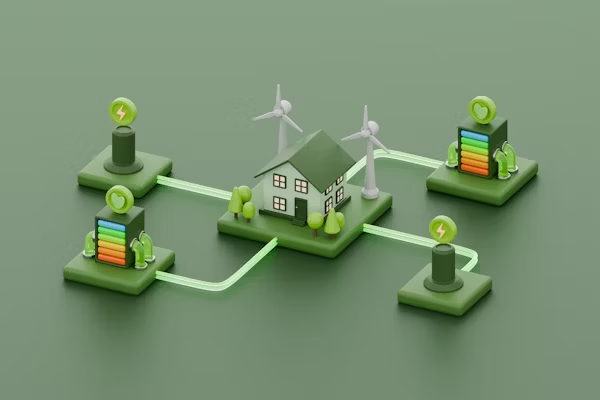
The global energy transition was meant to shift the world toward clean, renewable, and sustainable energy sources. Governments, businesses, and global institutions pledged to reduce carbon emissions, phase out fossil fuels, and embrace solar, wind, hydrogen, and other alternatives.
Yet, in 2025, it’s clear that efforts are off track. Despite ambitious targets, fossil fuel consumption remains high, renewable adoption faces barriers, and global cooperation is strained.
So why is the energy transition struggling, and what can be done to realign?
What Is the Global Energy Transition?
The global energy transition is the shift from fossil fuels (coal, oil, natural gas) to renewable energy sources such as:
- Solar and wind power
- Hydroelectric energy
- Green hydrogen
- Bioenergy
- Nuclear (low-carbon option)
The goal: achieve net-zero emissions by 2050 and limit global warming to 1.5°C.
Why Efforts Are Off Track in 2025
Despite progress, several obstacles are slowing momentum.
1. Continued Reliance on Fossil Fuels
- Oil and gas demand remains high, especially in emerging economies.
- Geopolitical conflicts are driving countries back to coal for energy security.
2. Slow Infrastructure Development
- Renewable energy grids and storage systems are not expanding fast enough.
- Many nations lack the investment needed to upgrade transmission networks.
3. Financial Barriers
- Transition requires trillions in investment.
- Developing nations face difficulties funding clean energy projects.
4. Unequal Global Progress
- Rich countries push renewables, but poorer regions struggle with affordability.
- Global cooperation on energy policy is fragmented.
5. Technology & Supply Chain Challenges
- Shortages of critical minerals (lithium, cobalt) for batteries.
- Slow scaling of green hydrogen and carbon capture technologies.
6. Policy & Political Resistance
- Some governments prioritize short-term economic growth over long-term sustainability.
- Weak climate regulations delay meaningful progress.
The Risks of a Stalled Energy Transition
If the global energy transition continues to fall short:
- Global warming may exceed 1.5°C, worsening climate disasters.
- Rising sea levels threaten coastal cities and economies.
- Energy insecurity increases due to overdependence on fossil fuels.
- Delayed action will make the transition more expensive in the future.
Rethinking the Path Forward
To get back on track, rethinking the global energy transition is crucial.
1. Accelerate Renewable Investments
- Scale solar, wind, and hydropower globally.
- Expand green hydrogen projects for industrial energy needs.
2. Strengthen Global Cooperation
- Shared funding between developed and developing nations.
- Unified climate policies to avoid loopholes.
3. Innovate with Technology
- Invest in energy storage solutions.
- Advance carbon capture and utilization.
- Explore AI for energy efficiency.
4. Align Policy with Action
- Stronger carbon pricing.
- Subsidies for renewable projects, not fossil fuels.
- Clear roadmaps for net-zero commitments.
5. Encourage Sustainable Consumer Behavior
- Promote plant-based diets to reduce agricultural emissions.
- Incentivize electric vehicle adoption.
- Support energy efficiency in homes and businesses.
Final Thoughts
The global energy transition is one of the most important challenges of our time. In 2025, it’s evident that efforts are off track, but not beyond repair. By accelerating investments, improving cooperation, and aligning policies with climate goals, the world can still move toward a sustainable and resilient energy future.
Rethinking our strategies isn’t just about avoiding climate risks, it’s about creating a cleaner, fairer, and more secure world.
FAQs | Global Energy Transition
Q1. Why is the global energy transition important?
It reduces carbon emissions, mitigates climate change, and ensures sustainable energy for the future.
Q2. Why are efforts off track in 2025?
Heavy reliance on fossil fuels, slow renewable infrastructure growth, financial gaps, and policy resistance are major factors.
Q3. Which renewable energy sources are key to the transition?
Solar, wind, hydropower, green hydrogen, and advanced storage systems.
Q4. How can governments support the energy transition?
By investing in clean energy, setting stricter climate policies, and collaborating internationally.
Q5. What role can individuals play in sustainable energy?
Adopting renewable energy at home, driving EVs, reducing waste, and supporting eco-friendly businesses.