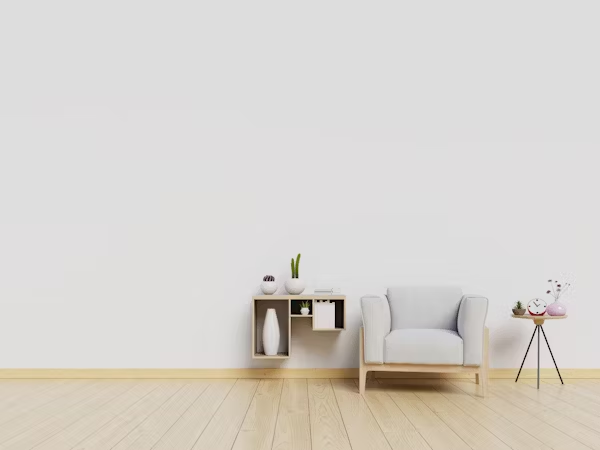
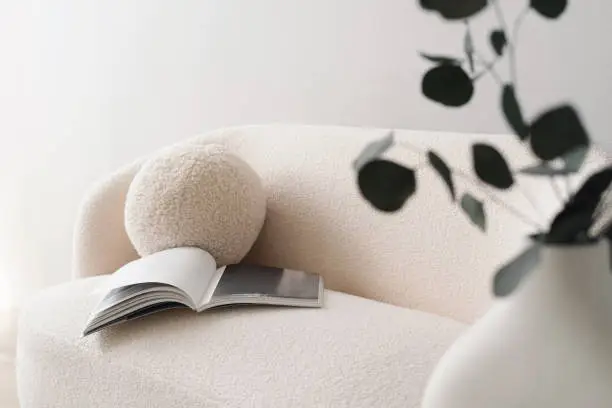
In a world dominated by consumerism and digital clutter, many people are turning to minimalism as a solution. In 2025, the effects of minimalism on lifestyle are more evident than ever, as individuals embrace the idea of living better with less. Minimalism is not about deprivation, it’s about intentional living, financial freedom, and emotional well-being.
This article explores how minimalism impacts health, happiness, and sustainability, while offering practical tips for adopting a minimalist lifestyle in 2025.
What is Minimalism?
Minimalism is the conscious decision to prioritize quality over quantity. Instead of accumulating things, minimalists focus on experiences, relationships, and purpose. It’s about:
- Owning fewer possessions.
- Decluttering physical and digital spaces.
- Spending money on what truly matters.
- Finding freedom from unnecessary stress.
Key Effects of Minimalism on Lifestyle in 2025
1. Improved Mental Health
Clutter often leads to stress and anxiety. Minimalism promotes:
- Clarity and focus by reducing distractions.
- Lower stress from simplified surroundings.
- Better sleep and relaxation with cleaner spaces.
Result: A calmer, more mindful daily life.
2. Financial Freedom
In 2025, minimalism helps people escape debt and consumer pressure.
- Spending shifts from impulse buying to value-based purchases.
- More savings for travel, education, and future goals.
- Financial security through less material dependence.
Result: More freedom to pursue passions and long-term security.
3. Healthier Living
Minimalism extends to health and wellness:
- Choosing nutritious, simple meals over fast food.
- Engaging in outdoor activities instead of screen time.
- Reducing stress by eliminating unnecessary commitments.
Result: A balanced, healthier lifestyle.
4. Sustainable & Eco Friendly Choices
Minimalism naturally supports sustainability in 2025:
- Less waste from overconsumption.
- Eco conscious shopping habits.
- Focus on quality products that last longer.
Result: A positive impact on the environment.
5. More Meaningful Relationships
By living with less, people create space for what truly matters:
- Deeper connections with family and friends.
- More time for meaningful conversations and experiences.
- Reduced comparison with others’ lifestyles.
Result: Stronger relationships and emotional fulfillment.
Challenges of Minimalism in 2025
While the effects of minimalism on lifestyle are largely positive, challenges include:
- Cultural Pressure: Society still promotes consumerism.
- Emotional Attachment: Letting go of possessions is difficult.
- Digital Minimalism: Hard to reduce screen time in a hyper-connected world.
Minimalist Lifestyle Tips for 2025
- Start small: Declutter one room at a time.
- Apply the “one in, one out” rule for possessions.
- Use digital minimalism: unsubscribe, unfollow, and limit screen time.
- Invest in experiences over things.
- Practice gratitude daily.
Future of Minimalism in Lifestyle Trends
Minimalism in 2025 is evolving:
- Tiny homes and space-efficient apartments.
- Capsule wardrobes gaining popularity.
- Growth of second hand and sustainable markets.
- Digital detoxing as a mainstream wellness trend.
FAQs
Q1: What are the main effects of minimalism on lifestyle?
Minimalism improves mental health, finances, sustainability, and relationships by focusing on intentional living.
Q2: How does minimalism affect mental health?
By reducing clutter and distractions, minimalism lowers stress, anxiety, and decision fatigue.
Q3: Is minimalism suitable for everyone?
Yes, but it looks different for each person, minimalism is about finding your balance.
Q4: Can minimalism save money?
Absolutely. By reducing unnecessary spending, people enjoy greater financial freedom.
Conclusion
The effects of minimalism on lifestyle in 2025 prove that living better with less is more than a passing trend, it’s a sustainable approach to happiness, health, and freedom. Minimalism offers clarity in a noisy world, financial security in an expensive economy, and deeper connections in a digital age.
Minimalism isn’t about what you give up, it’s about what you gain, peace, purpose, and freedom.