
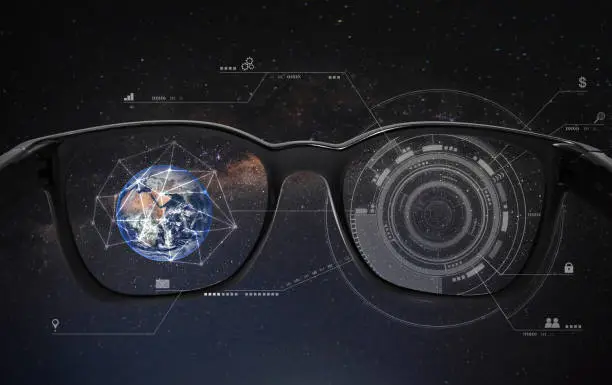
The AI hardware wars are heating up and smart glasses are at the center of this global tech battle. In 2025, companies like Apple, Meta, Google, Samsung, and startups are racing to create AI powered wearable devices that will redefine how we work, connect, and experience the world.
Unlike earlier attempts, the new wave of smart glasses blends AI assistants, real-time translation, AR overlays, and personalized experiences into lightweight, fashionable frames. The competition isn’t just about hardware, it’s about who will own the future of human AI interaction.
Why Smart Glasses Are Becoming the Next Big Thing
Smart glasses are no longer science fiction. With advances in miniaturized processors, AI chips, and AR displays, companies can now create wearable AI devices that are:
- Context-aware → They understand surroundings using sensors & cameras.
- Voice + gesture-controlled → Hands-free interactions with digital content.
- Always connected → Seamless integration with cloud-based AI models.
- Fashion forward → Designed to look like normal glasses for daily use.
This shift positions smart glasses as a natural successor to smartphones, setting the stage for the next big hardware platform.
The Players Competing in the AI Hardware Wars
The race involves both tech giants and agile startups:
Meta (Ray Ban Meta)
- Integrating real-time AI assistance and live translation.
- Leveraging social platforms for instant content sharing.
Apple
- Focused on premium experiences with Vision Pro and rumored lightweight glasses.
- Emphasizing ecosystem integration with iPhones and AI apps.
- Pivoting from past failures to AI-powered AR experiences.
- Using Search + Gemini AI to power real-time visual intelligence.
Samsung & Qualcomm
- Partnering to build open ecosystem devices, focusing on performance and affordability.
Startups
- Nimble companies are experimenting with specialized use cases like health monitoring, fitness coaching, or industrial applications.
Key Features Driving the Smart Glasses Revolution
- Real Time AI Translation
→ Speak in one language, hear or read another instantly through AR overlays. - Visual Search & Object Recognition
→ Point at objects to get instant info via AI models. - Personal AI Assistants
→ Contextual suggestions, reminders, or information triggered by what you see. - AR Overlays & Navigation
→ Turn by turn walking directions, location info, or live data projected in front of your eyes. - Hands Free Content Creation
→ Capture videos or share experiences instantly without pulling out a phone.
Challenges in the Smart Glasses Hardware Race
While the opportunities are massive, hardware wars bring complex challenges:
1. Battery Life & Processing Power
Miniaturizing powerful AI hardware while maintaining long battery life remains difficult.
2. Privacy & Surveillance
Built-in cameras and sensors raise concerns about data collection and constant recording.
3. Connectivity & Latency
Real time AI processing requires strong edge + cloud infrastructure.
4. Design & Social Acceptance
People won’t wear devices that look awkward. Balancing fashion with tech is key.
5. Cost Barriers
Early smart glasses are expensive, limiting mainstream adoption.
Why Smart Glasses Are Central to AI Hardware Wars
Smart glasses are strategic for Big Tech because they offer:
- A new interface layer between humans and AI.
- Opportunities for ecosystem lock in (Apple vs Meta vs Google).
- A gateway to continuous data streams for improving AI models.
- Potential to replace smartphones as the dominant personal device.
The company that wins this race won’t just sell hardware, they’ll control the next generation of user interaction.
The Market Outlook for 2025 and Beyond
According to emerging market trends:
- Smart glasses shipments are projected to grow by over 45% annually through 2027.
- AI on device chips are becoming more efficient, enabling real-time processing.
- Adoption will rise fastest in Asia and North America, where tech ecosystems are mature.
- Early use cases include enterprise productivity, navigation, healthcare, and content creation.
Expect AI smart glasses to become mainstream between 2026 to 2028, mirroring the smartphone boom of the late 2000s.
Final Thoughts
The smart glasses & AI hardware wars are more than a battle over devices, they represent the future of how humans interact with technology.
In the coming years, AI powered wearables will blend seamlessly into daily life, bringing convenience, information, and connectivity right to our field of vision. The companies that combine cutting edge AI, stylish design, and privacy protections will shape this new era.
FAQs About Smart Glasses & AI Hardware Wars
Q1. Why are smart glasses important in 2025?
They’re emerging as the next major personal device platform, combining AI with AR for daily use.
Q2. Which companies are leading the AI hardware race?
Meta, Apple, Google, Samsung, and several startups are leading the competition.
Q3. What makes modern smart glasses different from earlier versions?
They use powerful AI chips, AR displays, and real-time processing, unlike older, limited devices.
Q4. Are there privacy concerns with smart glasses?
Yes. Built-in cameras and microphones raise surveillance and data collection issues.
Q5. When will smart glasses become mainstream?
Between 2026 to 2028, as prices drop, designs improve, and AI capabilities expand.