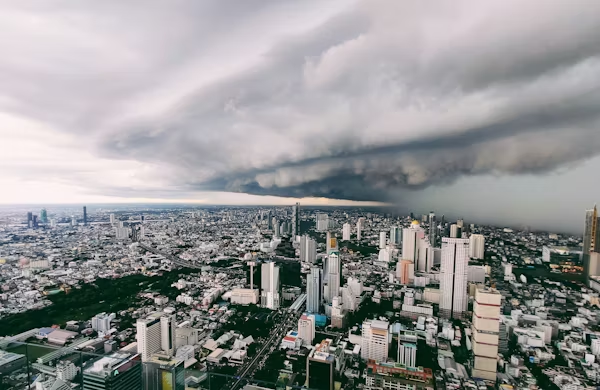
Climate change is no longer a distant threat, it’s here, and its effects are accelerating extreme weather events worldwide. From heatwaves and floods to hurricanes and wildfires, the world is witnessing climate disruptions like never before.
But alongside these challenges, there’s hope. Sustainability innovation, powered by technology, policy, and green practices, is transforming how we respond to climate risks. The future depends on balancing climate resilience and innovation to create a sustainable planet.
How Climate Change Fuels Extreme Weather
The connection between climate change and extreme weather is backed by science. Rising global temperatures increase:
- Heatwaves: More intense and longer-lasting.
- Floods: Melting glaciers and heavier rainfall.
- Hurricanes: Stronger storms fueled by warmer oceans.
- Droughts: Water scarcity affecting millions worldwide.
- Wildfires: Drier landscapes creating fire-prone conditions.
Example: In 2024, Europe recorded record breaking heatwaves, while Asia experienced historic floods, both linked to climate change.
The Cost of Extreme Weather on Society
Extreme weather doesn’t just harm the environment, it affects health, economies, and communities.
- Human Health Risks: Heatstroke, respiratory illnesses, water-borne diseases.
- Economic Losses: Billions lost in damaged infrastructure, agriculture, and energy supply.
- Displacement & Migration: Climate refugees forced to leave vulnerable regions.
- Food Security Threats: Crop failures from droughts and floods.
According to the UN, climate disasters have tripled in the last 30 years.
Sustainability Innovation: The Path Forward
Innovation is the key to building resilience against extreme weather and reducing emissions. Let’s explore some sustainability breakthroughs shaping the future:
1. Renewable Energy Expansion
- Solar, wind, and hydropower replacing fossil fuels.
- Affordable clean energy for communities worldwide.
2. Climate Resilient Infrastructure
- Smart cities designed to withstand floods and heatwaves.
- Green building materials for energy efficiency.
3. Sustainable Agriculture
- Vertical farming and hydroponics reducing land use.
- Drought-resistant crops to fight food insecurity.
4. Carbon Capture & Storage (CCS)
- Technologies pulling CO₂ from the air.
- Supporting net-zero goals by 2050.
5. AI & Climate Data Innovation
- Predictive modeling for early disaster warnings.
- AI driven energy management in cities.
Global Efforts Driving Sustainability
Governments, businesses, and communities are working toward climate goals.
- Paris Agreement Targets: Limiting global warming to below 1.5°C.
- Corporate Green Shifts: Companies investing in net-zero supply chains.
- Community Based Solutions: Local reforestation, clean water projects, and circular economy practices.
What the Future Looks Like in 2025 and Beyond
The future of climate resilience will be shaped by:
- Hybrid Energy Grids: Renewables + storage for stable supply.
- Circular Economy Models: Recycling and waste-free production.
- Global Climate Policies: Stricter emissions regulations.
- Citizen Action: More sustainable lifestyle choices.
By 2030, sustainability innovation could cut global emissions by up to 40% if widely adopted.
Final Thoughts
The link between climate change, extreme weather & sustainability innovation is clear: as the planet faces unprecedented risks, innovation offers the path forward.
- Extreme weather is rising due to climate change.
- Sustainability innovation is helping humanity adapt and reduce emissions.
- The future requires collaboration, technology, and resilience.
By investing in green solutions today, we can build a safer, sustainable tomorrow.
FAQs: Climate Change & Sustainability
Q1: How does climate change cause extreme weather?
Warmer temperatures increase storms, floods, droughts, and wildfires.
Q2: What are examples of sustainability innovations?
Renewable energy, carbon capture, vertical farming, and green infrastructure.
Q3: Can innovation stop climate change?
It can’t stop it completely but can slow it down and build resilience.
Q4: What role can individuals play in sustainability?
Reducing waste, adopting clean energy, and supporting eco friendly policies.